







From recuperative furnace to 100% oxy-fuel furnace
We transformed an old recuperative glass furnace based on air-fuel combustion to 100% oxy-fuel for a glass company.
Read More +
Can be applied to recuperative or regenerative furnaces with minor changes
Applicable in side port and end port furnaces as well as for unit and float melters
Reach your carbon neutrality goals whilst avoiding big Capex
By using Nippon Sanso’s proprietary oxy-combustion technology, applicable to site port and end port furnace configurations, it could be possible to reduce your specific energy consumption by up to 50%*
*Pending on your most recent base case
Dilujet burners use Diluted Oxygen Combustion (DOC) technology, which promotes an ultrahigh recirculation ratio making it possible for an ultra-low flame Tª.
This ultra-low flame Tª, together with the typical low N2 partial pressure at the oxy-fuel furnaces, results in ultra-low NOx emissions from your flue gases.
By using Nippon Sanso’s forehearth’s proprietary oxy-combustion technology, it will be possible to reduce your forehearth’s energy consumption by up to 50%, simultaneously reducing the amount of necessary burners to maintain the required temperature profile you are looking for.

Oxy-fuel technology use permits to all kinds of glass furnaces, to be more efficient in the use of available energy. By reducing the amount of air, which contains 78% nitrogen, your furnace becomes more effective in its use of energy – reducing its associated CO2 emissions.
Simultaneously, the application of our Diluted Oxygen Combustion technology contributes to drastically reduce NOx and dust emissions at your site, whilst maintaining the highest safety standards.
Discover our solutions across different markets
We transformed an old recuperative glass furnace based on air-fuel combustion to 100% oxy-fuel for a glass company.
Read More +
Oxygen enrichment to drastically reduce NOx emissions in a green glass and flint production company.
Read More +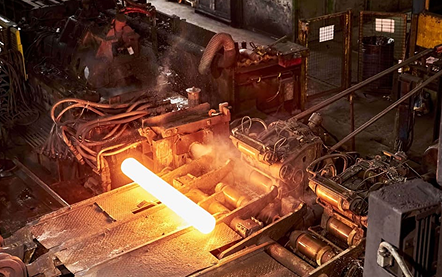
We introduced oxygen into steel reheating furnace process in order to reduce energy consumption.
Read More +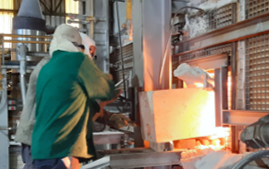
Recuperative air-fuel glass furnace is transformed to 100% oxy-fuel whilst maintaining production
Read More +