


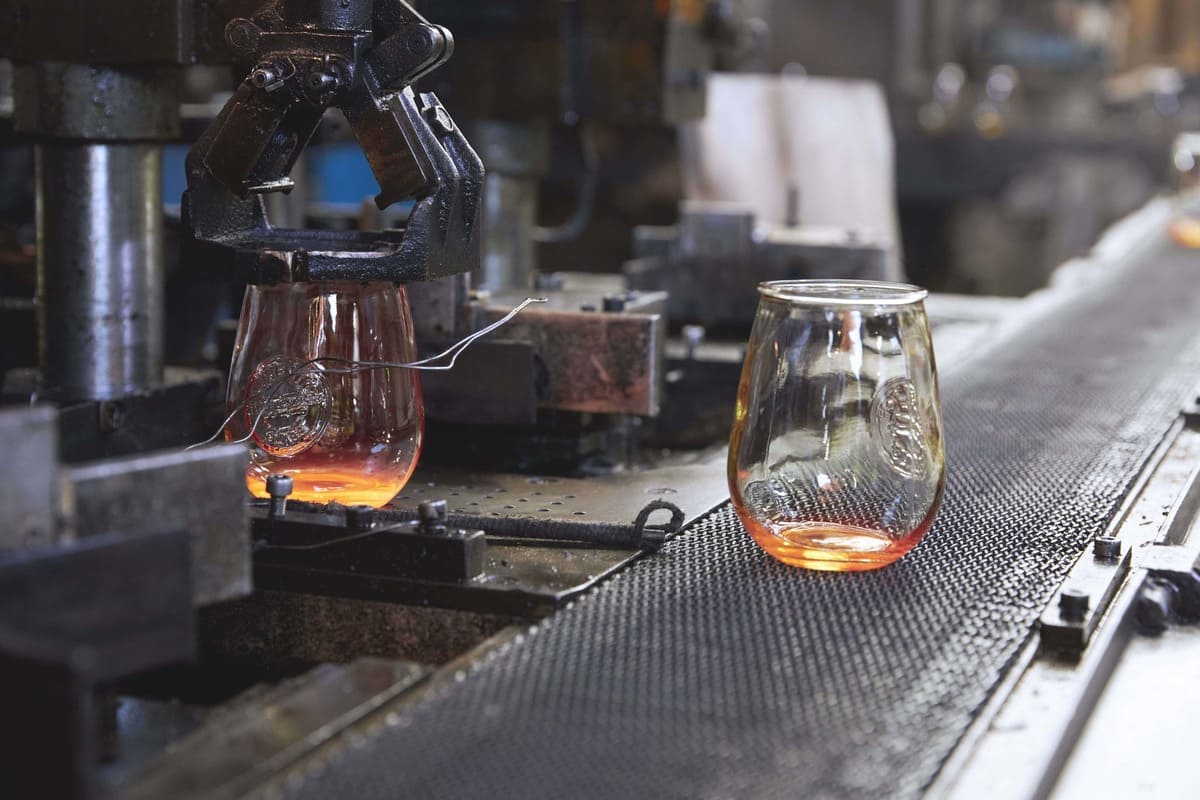
Oxygen enrichment to reduce NOx emissions
Oxygen enrichment to drastically reduce NOx emissions in a green glass and flint production company.
Read More +
1. Together with the customer’s engineering team, we developed a customized solution to transform their old recuperative glass furnace; based on air-fuel combustion, to 100% oxy-fuel
2. Compiling the customer’s experience on the furnace’s engineering with the experience of Nippon Sanso’ Combustion Team, the new furnace was designed reusing the old super structure; elongating the old furnace footprint and doing the necessary CFD simulations and calculations in order to build a furnace capable of achieving the required glass quality – minimizing the NOx and particulate emissions
3. The furnace entered into production with a LOX (liquid oxygen) supply, but was designed ready to incorporate one VPSA (Vacuum Pressure Swing Absorption) system some months after start-up – once the glass production entered a stable level
4. The combustion system installed comprised of one state-of-the-art safety skid, together with the skid to control the pressure and flow of the comburent and oxidant, as well as the most advanced Dilujet JL burners capable of using the Diluted Oxygen Combustion concept (the market’s responsible for achieving lower NOx emissions for this kind of furnace)
Oxygen enrichment to drastically reduce NOx emissions in a green glass and flint production company.
Read More +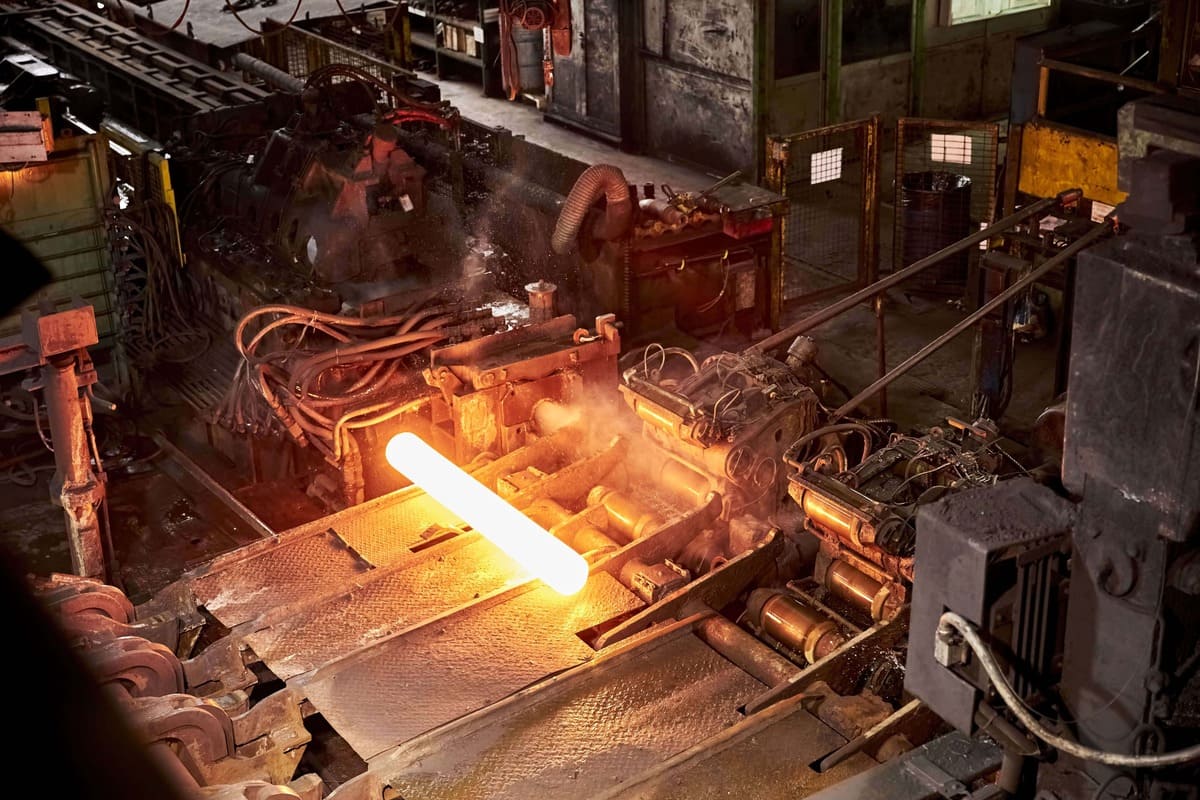
We introduced oxygen into steel reheating furnace process in order to reduce energy consumption.
Read More +
Recuperative air-fuel glass furnace is transformed to 100% oxy-fuel whilst maintaining production
Read More +